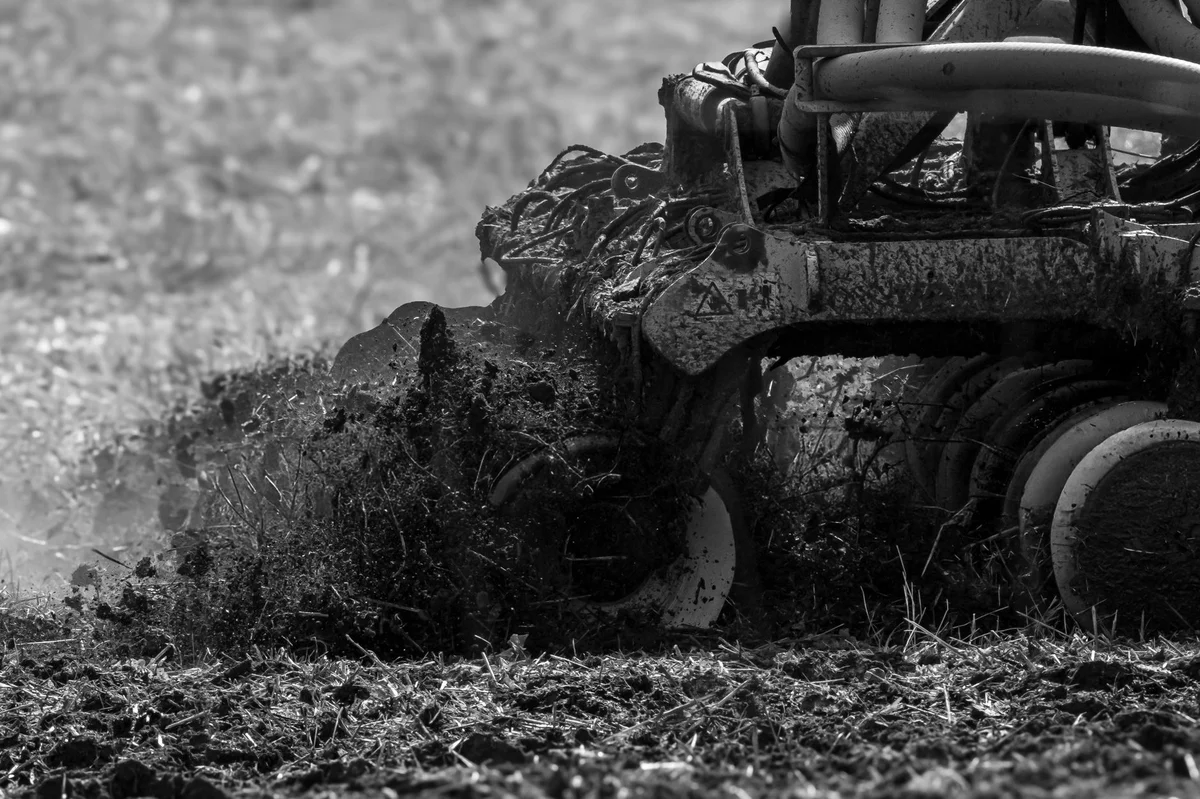
Power raking pulls up dead thatch. Aeration punches cores to relieve compaction. Most Winnipeg lawns need both — but in a specific order. Here's how to tell which problem your yard is dealing with, what each service actually does, and how to stop spending money fixing the wrong thing.
Not sure what your lawn needs? Get a free quote and we'll walk you through it — no guesswork.
What Power Raking Actually Does
Power raking — also called dethatching — uses a machine with rotating tines to tear up the layer of dead grass, roots, and organic debris that accumulates between your lawn's soil and its green blades. In Winnipeg, this thatch layer builds up over the long winter and can suffocate your grass if it gets thicker than half an inch. Power raking physically removes it, letting light, water, and fertilizer reach the soil surface.
Most Winnipeg homeowners power rake in spring, right after the ground thaws — typically late April to mid-May. It's aggressive work, and your lawn looks rough for a week or two afterward, but the recovery is fast when done at the right time. Bundling it into your spring and fall cleanup packages is the easiest way to keep it on schedule without thinking about it each year.
What Lawn Aeration Does
Aeration uses a core aeration machine to pull small plugs of soil from your lawn — typically ¼ inch wide and 2–3 inches deep, spaced 4–6 inches apart. Those holes allow air, water, and nutrients to penetrate deeper into the root zone, which relieves the compaction that Winnipeg's heavy clay soil creates over time.
Unlike power raking, aeration doesn't remove anything from the surface — it solves a problem underneath. The plugs left on your lawn break down within a week or two and add organic matter back into the soil. In zone 3 Manitoba, where freeze-thaw cycles compact the ground every spring, most lawns benefit from aeration at least once a year.
Signs Your Winnipeg Lawn Needs Power Raking
- Water beads on the surface after rain instead of soaking in — thatch is repelling it
- You push your finger into the lawn and feel a spongy, matted layer before hitting soil
- Bare patches appeared after winter that weren't there the previous fall
- You haven't power raked in two or more years and the lawn had heavy growth last season
Manitoba's long winters mean thatch accumulates faster than in warmer climates — organic material never fully breaks down over five or six months of cold. If you're in St. Vital, Transcona, or any area with older established lawns, annual power raking is often the right call.
We can price power raking and aeration for your Winnipeg property in minutes. Request a quote and we'll tell you straight what your yard needs.
Signs Your Winnipeg Lawn Needs Aeration
- Water puddles in spots after rain even when you can't feel a thatch layer
- Thin grass in high-traffic areas — the kids' path, strips near the driveway
- Soil visibly cracks during dry spells in summer
- Grass bounces back slowly after being walked on, or doesn't spring up at all
Winnipeg's clay soil is naturally prone to compaction. Unlike sandy soils that stay loose, clay packs tight under foot traffic, snow loads, and the freeze-thaw cycles Manitoba delivers every spring. Once compacted, grass roots can't push through — no matter how much fertilizer you put down. Our basic lawn care in Winnipeg includes aeration scheduling so this doesn't sneak up on you season after season.
Which One Should You Do First?
If your lawn has both problems — and most Winnipeg lawns do — the order matters. Power rake first, aerate second. Aerating into a thatch-heavy lawn is less effective because the cores pull partly from the thatch layer rather than the soil beneath. Remove the thatch first, then aerate into clean soil for full depth and penetration.
In practice, most homeowners do both in the same spring visit. Your lawn is already disrupted, the crew is already there, and recovery time overlaps instead of doubling. If budget means doing only one this year, start with whichever problem is more severe based on the signs above.
What Does Each Service Cost in Winnipeg?
For a typical Winnipeg residential lot (4,000–6,000 sq ft):
- Power raking: $120–$200
- Core aeration: $120–$250
- Both together: $200–$350 (bundled vs. booking separately)
Larger lots, heavy thatch, or lawns that haven't been serviced in several years will run higher — especially if the power raker has to make multiple passes. Properties in River Heights, Charleswood, or Linden Woods with mature, thicker lawns often fall toward the top of that range.
If you're weighing DIY: machine rental alone runs $80–$120/day in Winnipeg, and power raking a standard lot properly takes 2–4 hours. Add in thatch disposal and the math usually tips toward professional service. A weekly grass cutting crew that also handles aeration and power raking is more efficient than juggling separate bookings with separate companies.
Get a Clear Price for Your Winnipeg Yard
We service all of Winnipeg and surrounding areas. Quotes are fast, free, and specific to your yard — not an estimate based on someone else's lot.
Get a Free Quote